
Six Months Without a Microwave: My Kitchen Shift
When my microwave finally sputtered its last breath six months ago, I faced a choice: immediately replace it, or try living without one for a while. For years, the microwave had been the undisputed king of convenience in my kitchen, handling everything from reheating leftovers and defrosting meat to steaming vegetables and popping popcorn. I used it multiple times a day, almost without thinking. The idea of living without it felt like stepping back into the Stone Age, but a small part of me wondered if this dependence was actually hindering my cooking.
So, I decided to try a six-month experiment: no microwave. I’d use my oven, stovetop, toaster oven, and even a slow cooker more intentionally. What started as a temporary challenge quickly became a profound shift in how I approached food, time, and kitchen efficiency. The results were surprising, and not always in the ways I expected. It forced me to acknowledge how many tasks I’d lazily delegated to the microwave, often at the expense of flavor and my own cooking skills. In my experience, most people cling to their microwave out of sheer habit, not because it’s always the best tool for the job. What changed everything for me was realizing how much richer my meals became and how much more present I felt in the cooking process, simply by re-evaluating which appliance truly served the dish best.
Key Takeaways
- Reheating leftovers on the stovetop or in a toaster oven significantly improves texture and flavor compared to microwave methods.
- Intentional meal planning and defrosting ahead of time eliminate the need for rushed microwave defrosting.
- Cooking vegetables on the stovetop or roasting them enhances their natural sweetness and texture far beyond microwave steaming.
- The absence of instant gratification forced me to cultivate more patience and appreciation for the cooking process.
Reheating Leftovers: A Flavor Revelation on the Stovetop
The most frequent task my microwave handled was reheating leftovers. A plate would go in, a button would be pressed, and a few minutes later, I’d have a lukewarm meal with unevenly heated spots and often rubbery textures. Pasta would turn into a dense brick, rice would become dry and crunchy in places, and anything with sauce would often bubble over. I accepted this as the price of speed.
Without a microwave, I was forced to use my stovetop or toaster oven. The shift was immediate and dramatic. Reheating pasta in a saucepan with a splash of water or broth, covered, brought it back to life with its original texture. Crispy chicken skin from last night’s dinner, once rendered soggy in the microwave, regained its crunch in the toaster oven. Even simple soups, gently warmed on the stovetop, tasted fresher, their flavors more integrated than the often-separated, flat taste they had after microwave treatment.
For most dishes, especially those with sauces or any kind of crispy component, the stovetop or toaster oven is objectively superior. I found that a small non-stick pan with a lid became my go-to for many single servings. For larger portions or dishes that benefit from a crisp exterior, the toaster oven at 300-350°F (150-175°C) for 10-15 minutes worked wonders. It takes a little more time, yes, but the improvement in quality is undeniable. My biggest takeaway here is that reheating isn’t just about temperature, it’s about preserving – or even enhancing – the dish’s original character. The microwave, I realized, was often destroying that character in the name of speed.
Defrosting: Planning Ahead Becomes Second Nature
Another major microwave dependency was defrosting. Forgot to take chicken out of the freezer for dinner? No problem, the microwave had a defrost setting. The inevitable result, however, was often raw-on-the-inside, cooked-on-the-edges meat that had to be carefully trimmed before cooking. It was a compromise I accepted as part of modern life.
Cutting out the microwave forced me to plan. This wasn’t a monumental shift, but a consistent adjustment. I started taking meat out of the freezer the night before or in the morning, placing it in the refrigerator to thaw slowly. For smaller items like frozen berries or individual portions of broth, a quick dunk in a bowl of cold water worked surprisingly well and much more evenly than the microwave’s ‘defrost’ setting. My experience taught me that most defrosting emergencies are actually planning failures. By simply thinking one step ahead, I eliminated a problem area that the microwave only superficially ‘solved’ while often compromising food quality.
This simple act of planning extended to my overall meal prep. I started freezing smaller, more manageable portions of cooked meals or ingredients, making thawing even easier. This wasn’t about becoming a meal-prep guru, but about building a more considerate relationship with my ingredients. The microwave had allowed me to be lazy, and removing it built a better habit.
Cooking Vegetables: The Beauty of Intentional Heat
Steaming vegetables in the microwave was a regular occurrence in my kitchen. A bowl of broccoli, a splash of water, a few minutes, and ding! – soft, slightly limp, often bland greens. They were cooked, but rarely vibrant or delicious.
Without the microwave, I turned to the stovetop and oven. Steaming broccoli or green beans in a covered pot with a small amount of water for just a few minutes resulted in brighter colors and a far better texture – still crisp-tender, not mushy. Roasting vegetables in the oven with a little olive oil, salt, and pepper became a game-changer. Carrots developed a sweet caramelization, broccoli florets got delightfully charred edges, and asparagus snapped with freshness. The difference in flavor and texture was monumental.
This particular shift was one of the most unexpected pleasures of my microwave-free existence. I realized how much flavor I had been sacrificing for the sake of speed. The microwave treats all vegetables the same, while different cooking methods celebrate their unique qualities. Now, I actively choose the method that will best bring out the natural deliciousness of each vegetable, turning them into a star side dish rather than an afterthought. My family now prefers roasted vegetables, a preference directly stemming from this experiment.
The Unexpected Gift of Patience
The most profound change wasn’t about any specific dish or technique, but about my relationship with time and the act of cooking itself. The microwave fostered a culture of instant gratification in my kitchen. Waiting five minutes for a pot of soup to heat on the stove felt like an eternity when I was used to 90 seconds. Defrosting overnight seemed impossibly slow compared to a quick zap.
This forced deceleration, however, proved to be an unexpected gift. I started to appreciate the gentle sizzle of food in a pan, the aroma filling the kitchen as ingredients slowly came to temperature. I spent a little more time in the kitchen, yes, but this time felt less like a chore and more like a meditative act. It gave me moments to pause, to breathe, and to actually think about the food I was preparing and eating. This cultivated a greater sense of mindfulness around my meals, rather than just rushing through them.
What I learned is that convenience, when taken to an extreme, can diminish the enjoyment and quality of everyday experiences. The microwave had made me a more impatient cook and eater. Without it, I rediscovered the simple satisfaction of a well-prepared meal, even if it took a few extra minutes. It pushed me to be more present, to engage more deeply with my food, and ultimately, to enjoy the entire culinary process more thoroughly. This newfound patience has even bled into other areas of my life, a truly surprising side effect of a kitchen experiment.
Specialized Tasks: Popcorn, Warming Plates, and Melting Butter
While the main functions of reheating, defrosting, and cooking vegetables were easily and often better replaced, there were a few niche tasks where the microwave’s absence was initially felt more acutely. Popcorn was a big one. My family enjoys popcorn regularly, and the microwave bag was our go-to. Without it, I quickly learned to make stovetop popcorn in a large pot. It’s surprisingly easy, tastes far superior, and is actually healthier without the mystery chemicals in microwave bags. Plus, the ritual of shaking the pot and listening to the kernels pop is quite satisfying.
Warming plates for serving, a small but appreciated touch, became a quick turn in the oven on a low setting while the food finished cooking. Melting butter or chocolate for baking, another common microwave use, was easily done over a double boiler or very gently in a small saucepan on low heat. These were minor adjustments that, once learned, felt entirely natural and often yielded better results (no scorched chocolate!).
The key here was finding analog alternatives that, while not always ‘instant,’ were perfectly efficient and often superior in outcome. It was about identifying the true need behind the microwave’s convenience and finding a more thoughtful, quality-driven solution. The microwave’s ‘instant’ appeal often masked the fact that these alternatives were not only viable but often led to a more enjoyable culinary process.
Beyond Six Months: The Permanent Shift
As my six-month experiment drew to a close, I realized something profound: I didn’t miss the microwave. Not in the way I expected to, anyway. The improvements in food quality, the more intentional approach to meal preparation, and the unexpected boost in my own kitchen skills far outweighed the minute-or-two inconvenience of not having instant heat.
My kitchen flow has fundamentally changed. I’m more organized, thinking ahead about thawing and cooking methods. My meals taste better, from resurrected leftovers to perfectly roasted vegetables. The rhythm of my cooking has slowed in a good way, allowing for more enjoyment and less frantic rushing. I’ve even noticed a slight reduction in my electricity bill, though that was never the primary goal.
So, will I ever get another microwave? Honestly, I’m not sure. For now, my kitchen feels more capable, more focused on quality ingredients and thoughtful preparation. The space it once occupied now holds a few extra cookbooks and a small plant, symbols of a kitchen that has reconnected with the joy of cooking, rather than just the speed of consumption. The shift was less about deprivation and more about discovering a richer, more intentional way to interact with food and the heart of my home.
Frequently Asked Questions
How do you reheat coffee or tea without a microwave?
I simply reheat coffee or tea on the stovetop in a small saucepan over medium-low heat. It takes a couple of minutes but warms evenly without that slightly ‘burnt’ taste a microwave can sometimes impart to beverages.
Can you still make quick meals without a microwave?
Absolutely. While the microwave excels at instant reheating, many quick meals don’t rely on it. A quick stir-fry, a quesadilla on the stovetop, scrambled eggs, or a simple pasta dish can all be prepared faster than or as fast as microwave-dependent meals, often with much better flavor and texture. It’s about shifting your definition of ‘quick.’
What about frozen dinners that require a microwave?
I simply stopped buying them. This was one of the unexpected benefits: it forced me to choose healthier, fresher options. If I do have a frozen meal designed for a microwave, I might use the oven or stovetop, but often the packaging isn’t ideal for those methods, reinforcing my decision to move away from such convenience foods.
Is it more difficult to clean up without a microwave?
Not in my experience. In fact, it’s often easier. Microwave splatters can be notoriously difficult to clean once dried. Reheating on the stovetop or in the toaster oven means I’m typically dealing with pots, pans, or oven-safe dishes that are designed for easy cleaning after traditional cooking. I haven’t found a noticeable increase in cleaning time, just a different type of cleanup.
Did you save money by not having a microwave?
Indirectly, yes. While the appliance itself isn’t a huge energy drain, its absence led me to buy fewer pre-packaged, microwave-dependent convenience foods, which are often more expensive than cooking from scratch. I also noticed a slight dip in my overall electricity bill, though that wasn’t the primary driver for the experiment.
Written by Michael Davies
Budgeting, meal planning, and sustainable living
With a background in culinary arts and personal finance, Michael is an expert at making the most of everyday resources.
You Might Also Like
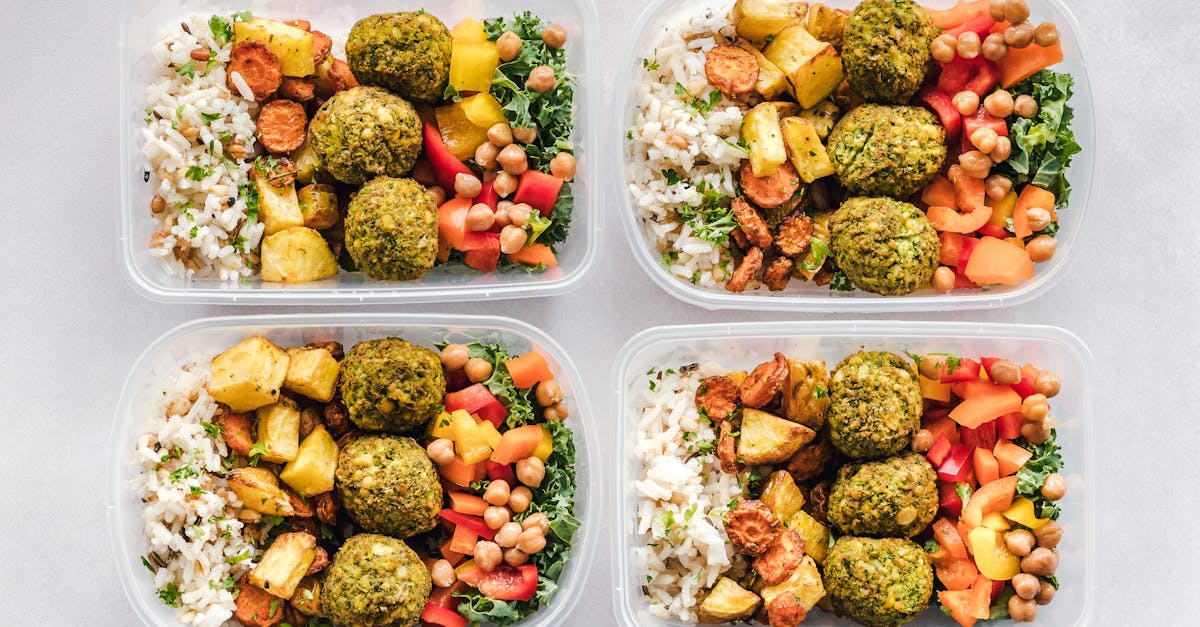
The 60-Minute Rule for Meal Prep: It's About Strategy, Not Just Speed
Discover why the 60-minute meal prep rule isn't just about speed, but strategic planning for sustainable healthy eating with Michael Davies.
7 Reasons Your Smart TV Feels More Frustrating Than Fantastic
Unlock your smart TV's full potential by understanding common frustrations like slow performance and privacy concerns, and learn practical fixes.

A Beginner's Guide to Building a Robust Home Network
Unlock reliable Wi-Fi and secure connections with this beginner's guide to building a robust home network. Go beyond the basics for seamless streaming, gaming, and working.